
09/21/2026
Before You Fall in Love With a Floor Plan, Ask Yourself These 7 Questions
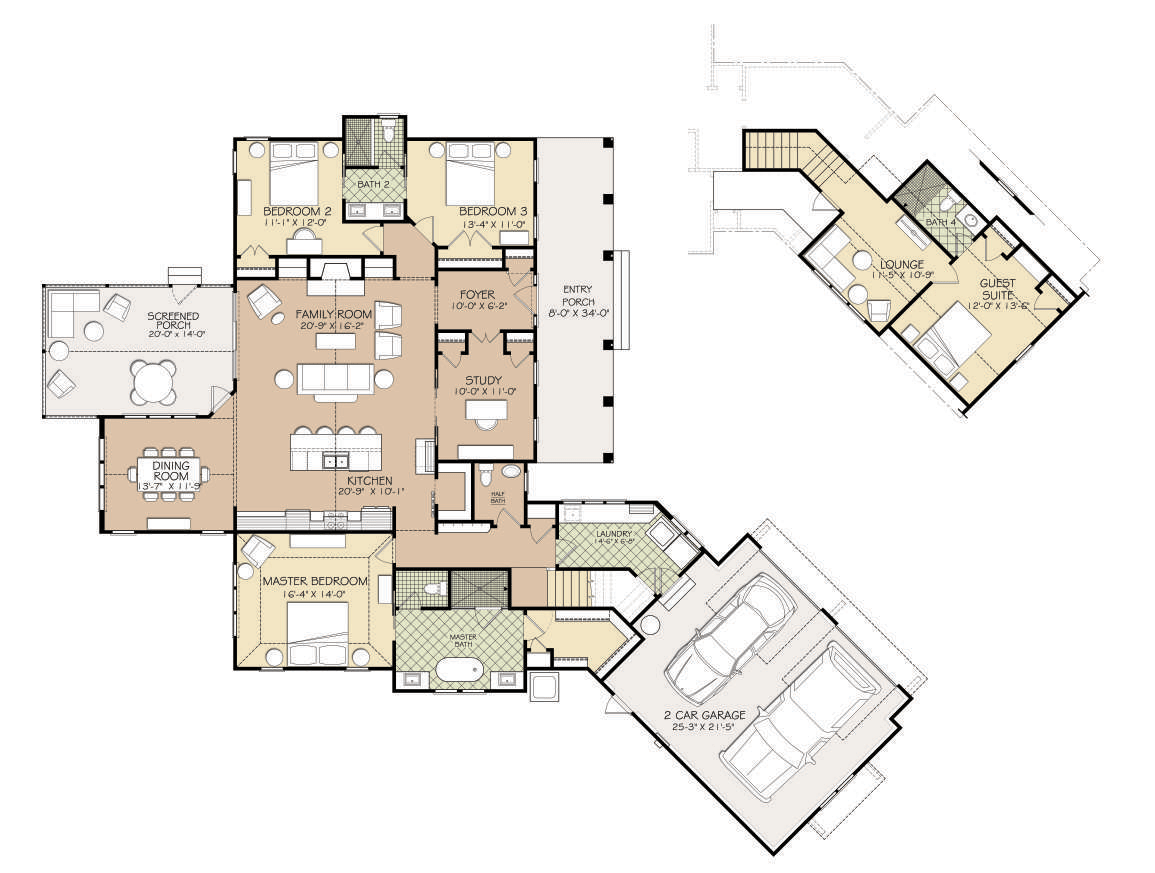
It happens all the time.
You see a floor plan and immediately start imagining yourself in it. The kitchen is exactly where you want it. The primary suite looks perfect. There’s a home office, a generous outdoor living area and enough bedrooms for everyone who might come to visit.
It feels right.
But before deciding you’ve found “the one,” there’s a more important question to ask:
Does this home fit the way you actually live?
A floor plan can look wonderful on paper and still miss the things that will matter most once you’re living in it every day. That’s why choosing a home should begin with your life—not simply a collection of rooms and square footage.
Before falling in love with a plan, ask yourself these seven questions.
1. How Do We Really Spend Our Time at Home?
Forget for a moment how you think you’re supposed to use your home.
How do you actually live?
Maybe everyone gravitates toward the kitchen. Perhaps you spend more time outside than in the formal living areas. Maybe one person loves to cook while another needs a quiet place to work. Perhaps Sunday mornings on the screened porch matter more to you than having a formal dining room.
The best floor plan supports those habits rather than asking you to change them.
Think through an ordinary day—from your first cup of coffee until you turn off the lights at night. Where are you? What are you doing? Who is with you?
Those answers can tell you a surprising amount about the home you need.
2. What Frustrates Me About My Current Home?
Sometimes it’s easier to figure out what you want by starting with what you don’t.
Not enough kitchen storage. A laundry room that’s too far from the bedrooms. A guest room that rarely gets used. Nowhere to put shoes, bags and everything else that comes through the door. A primary suite upstairs when you’d rather have it on the first floor.
After living in a home for years, you’ve accumulated valuable information about what works for you—and what doesn’t.
Use it.
Building a new home is an opportunity to solve those everyday frustrations instead of bringing them with you to a new address.
3. Where Does Everyone Naturally Gather?
Square footage doesn’t determine whether a home feels comfortable.
Flow does.
If family and friends inevitably end up around the kitchen island, that should influence the kitchen and adjoining living spaces. If outdoor entertaining is important, think about how easily people can move between the kitchen, great room, porch and backyard.
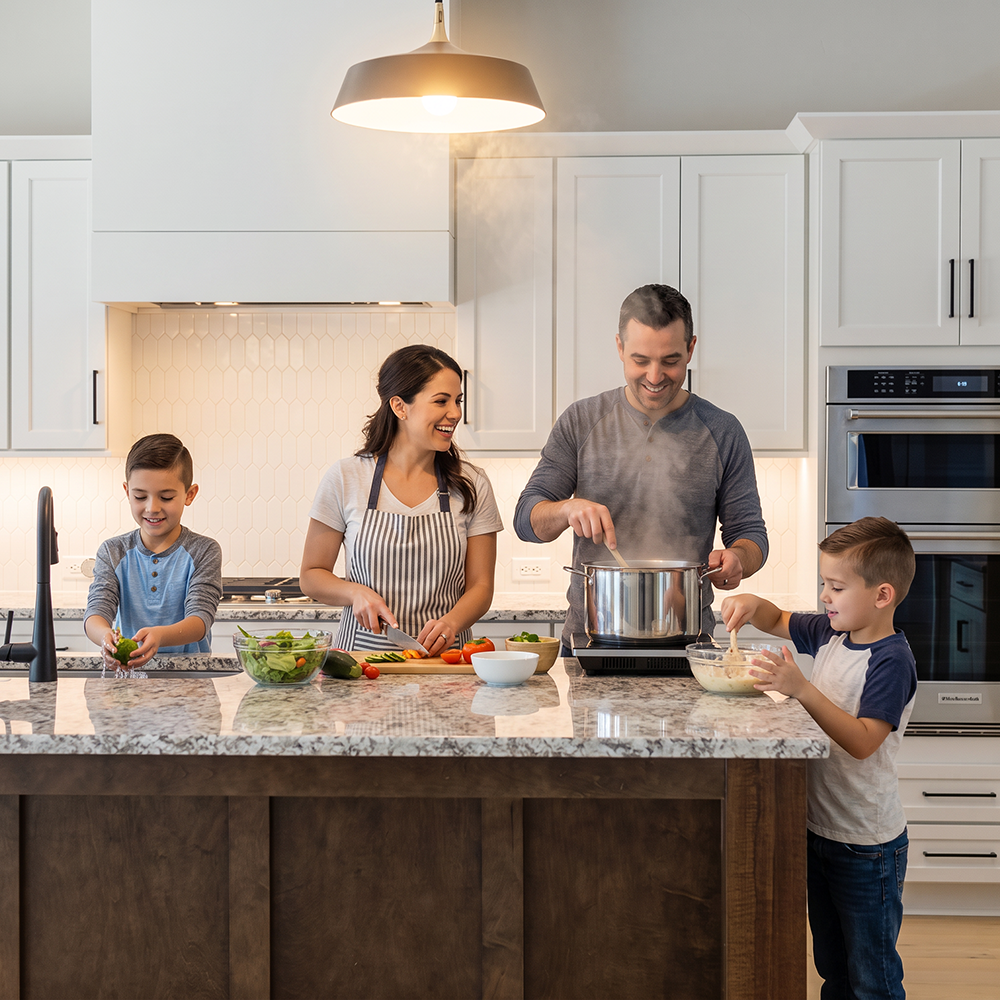
And don’t just think about holidays or the occasional large gathering.
Think about Tuesday night.
The spaces you use every day deserve at least as much attention as the spaces you use when company comes over.
4. What Do We Own That Needs a Place to Live?
Storage isn’t particularly glamorous when you’re looking at floor plans.
It becomes considerably more interesting when you’re trying to figure out where to put everything.
Golf clubs. Bicycles. Holiday decorations. Beach gear. Luggage. Kitchen appliances. Craft supplies. Tools. Children’s toys. Family keepsakes.
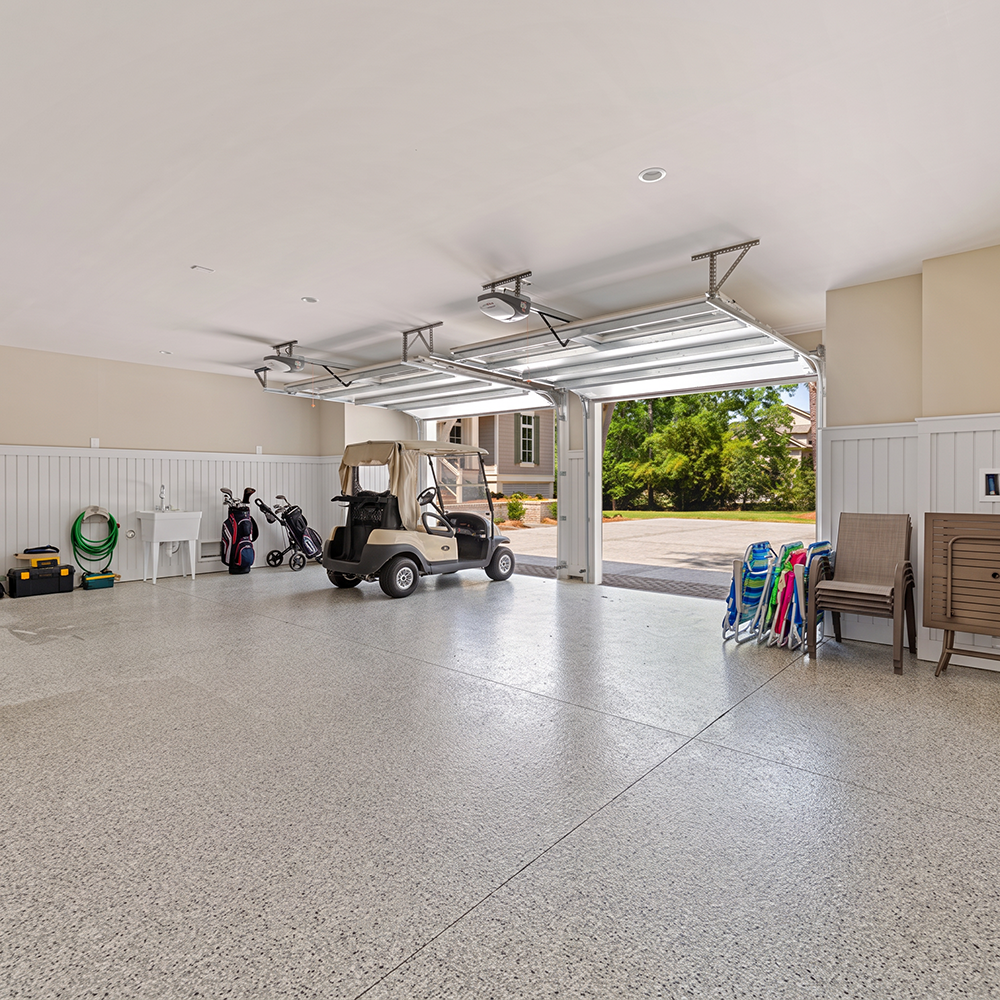
Good storage isn’t simply about having more closets. It’s about putting storage where you’ll actually need it.
Thinking about what you own—and what you expect to bring into your next home—can help you make smarter decisions before construction begins.
5. How Important Is Outdoor Living?
Here in coastal North Carolina, outdoor space can become another room of the house for much of the year.
If that’s part of the life you’re imagining, don’t treat the porch, patio or backyard as something to figure out later.
Think about how you want to use it.
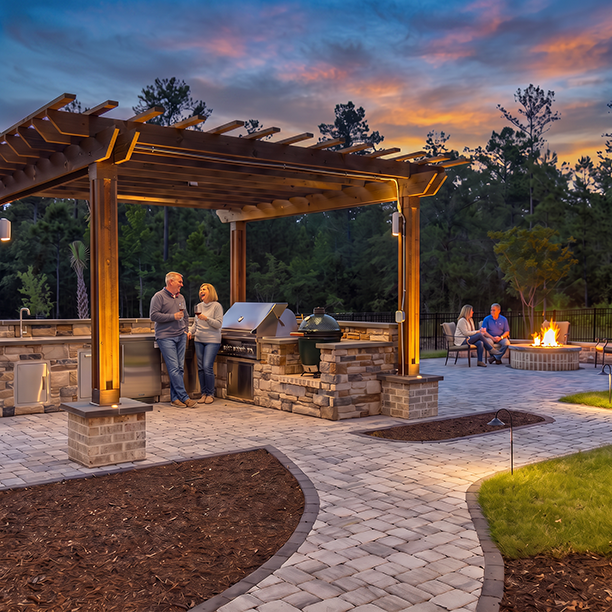
Morning coffee? Dinner outside? A pool? Grilling? Watching a game with friends? A quiet place to read?
Then consider how that space connects to the rest of the home. The relationship between indoor and outdoor living can dramatically change how a home feels.
6. What Could Change in the Next Five or Ten Years?
This may be the question people overlook most.
A new home isn’t only for the life you’re living when you sign the contract.
Children grow up. Adult children come home. Grandchildren arrive. Parents visit for longer stretches. Careers change. People work from home. Hobbies take over rooms. Mobility can change, too.
No one can predict exactly what life will look like a decade from now.
But you can build in flexibility.
A first-floor primary suite, adaptable bonus room, additional storage, accessible spaces or a home office that could eventually serve another purpose can give a home room to change along with you.
7. What Would Make This House Feel Like Ours?
This may be the most important question of all.
A floor plan is a starting point.
Your home begins to feel personal when you consider how the spaces should work for you—whether that’s changing a room’s purpose, adjusting a layout, creating a larger pantry, adding windows, rethinking outdoor living or choosing finishes that reflect your style.
Those decisions don’t have to be dramatic.
Often, it’s the thoughtful changes that make the biggest difference.
At Hagood Homes, we’ve spent 30 years building homes for people whose lives, priorities and ideas about home are all different. That’s why we believe the conversation shouldn’t begin with, “Which floor plan do you want?”
It should begin with:
How do you want to live?
Once you know that, finding—or creating—the right home becomes a whole lot easier.
Connect With Us

Is a bigger home always a better home?Not necessarily.A thoughtfully designed floor plan can make 2,200 square feet feel more spacious and comfortable than a much larger home. It's about natural light, smart storage, flexible spaces, and rooms that work for the way you actually live.At Hagood Homes, we believe the best floor plan isn't necessarily the biggest. It's the one that feels right for you.Our latest blog explores why square footage doesn't tell the whole story and highlights four popular Hagood floor plans that make every square foot count.Read more: ti#hagoodhomes3#LiveBettero#CoastalCarolinaLivingoastalCarolinaLiving
Another Cape Lookout Canted is officially off the market — and this one belongs to Dan and Debra Myers!Closing day is always exciting, especially when it means handing over the keys to a home our team has worked so hard to bring to life.Dan and Debra, we hope you're ready to settle in, get comfortable, and enjoy everything your new home has to offer. Thank you for choosing Hagood Homes and letting us be part of the process.Congratulations! Now it's time to make yourselves#welcomehomee#hagooddifferenceD#hagoodhomesagoodHomes
The decisions have been made. The finishing touches are finished. And the keys are finally in hand.Brian and Kathy Lustenring are officially home in their new Woods Cove!There’s a lot that happens between choosing a home and the day it officially becomes yours, which makes closing day particularly satisfying. Now Brian and Kathy get to enjoy the best part—simply living in it.Congratulations, Brian and Kathy! We hope you love your Woods Cove as much as we enjoyed building it for you. #WelcomeHome #HagoodDifference #HagoodHomes
DISCOVER THE HAGOOD DIFFERENCE
Free Home Guide
By clicking submit, you are providing express consent to be contacted by Hagood Homes via SMS, call, or email, possibly using automated technology to the number you provided. If at any time you wish to opt-out of communication, please reply “STOP”or text “HELP” for help. Message frequency may vary. Message/data rates may apply. Submission of this form does not authorize the purchase of goods, services, or products. See Privacy Policy.