When shopping for a new home, it’s easy to get caught up in the numbers. Four bedrooms sound better than three. Three thousand square feet sound more impressive than 2,500. And surely, a larger home must be a more comfortable one.
Not necessarily.
Square footage tells you how much space a home has, but very little about how well that space works. A thoughtfully designed 2,500-square-foot home can feel remarkably spacious, while a larger home with an inefficient layout may leave homeowners wondering why they have so much room and so little space they actually enjoy using.
The better question isn’t necessarily, “How big is the house?” It’s “How well will this house fit the way I live?”
The Difference Between Square Footage and Livability
Think about the rooms in your current home. Which ones do you use every day? Which ones sit empty until company arrives? Is there a formal dining room that has become a makeshift office? A guest bedroom that rarely sees a guest? A hallway that seems to go on forever?
Every square foot contributes to the size of a home, but not every square foot contributes equally to its livability.
A well-designed floor plan considers how people move through their homes, where they spend their time, and how their needs may change over the years.
That means prioritizing features such as:
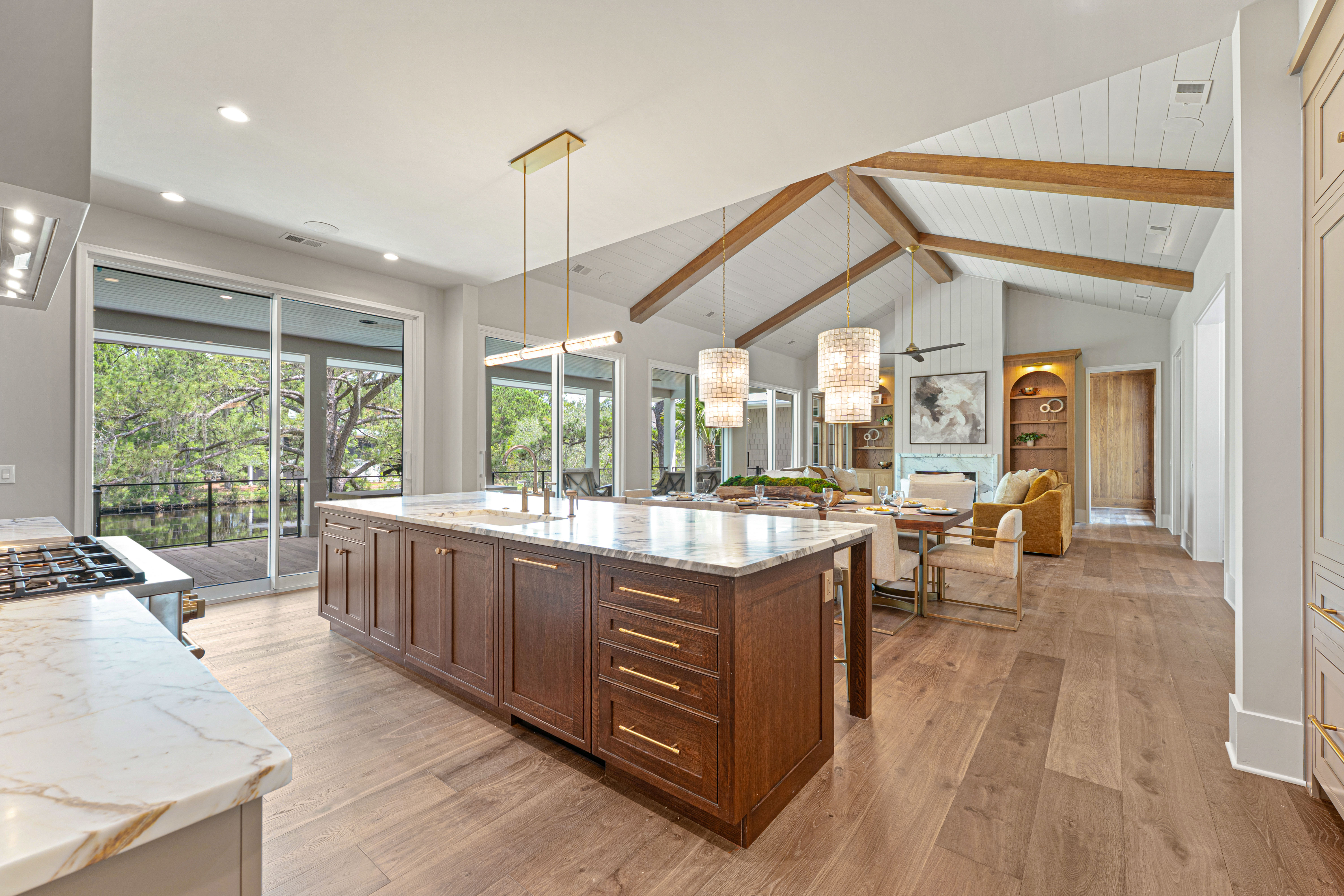
- Open, connected living spaces that encourage conversation and make entertaining feel effortless.
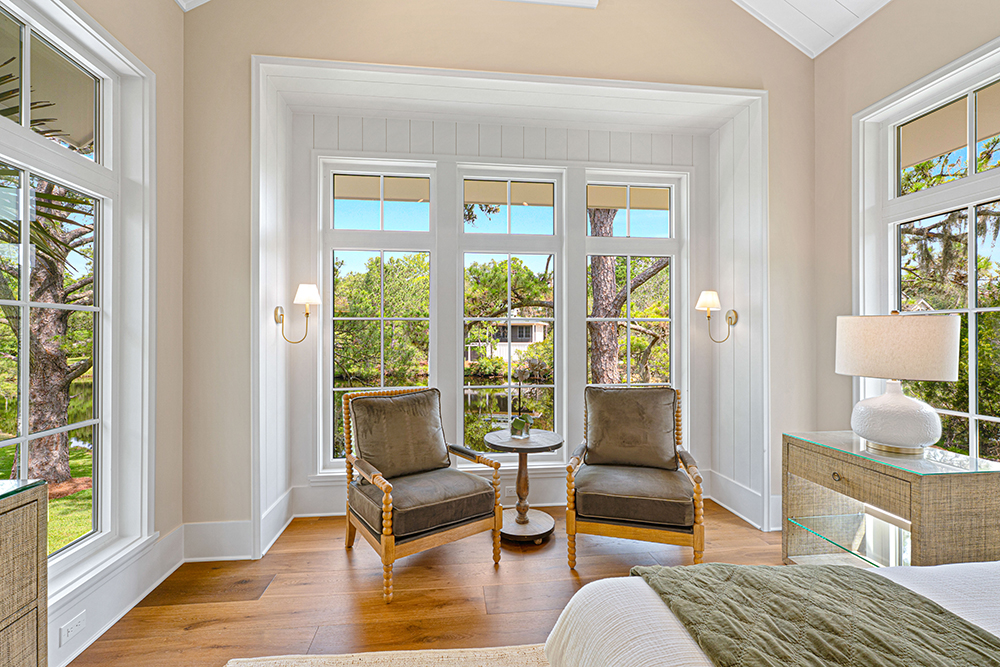
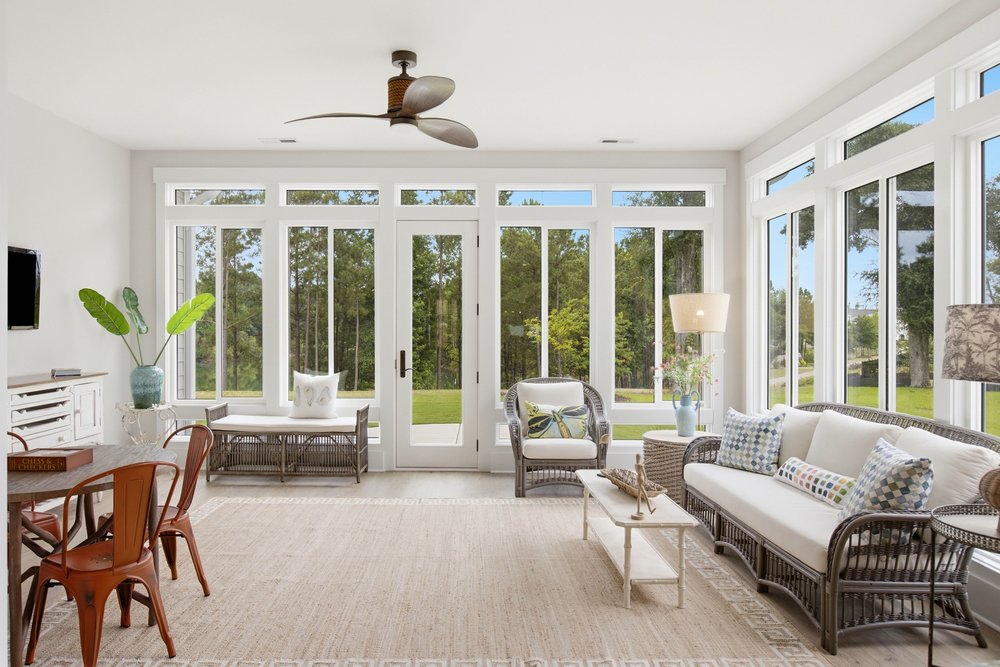
- Natural light and generous ceiling heights that create a sense of spaciousness without increasing the home’s footprint.
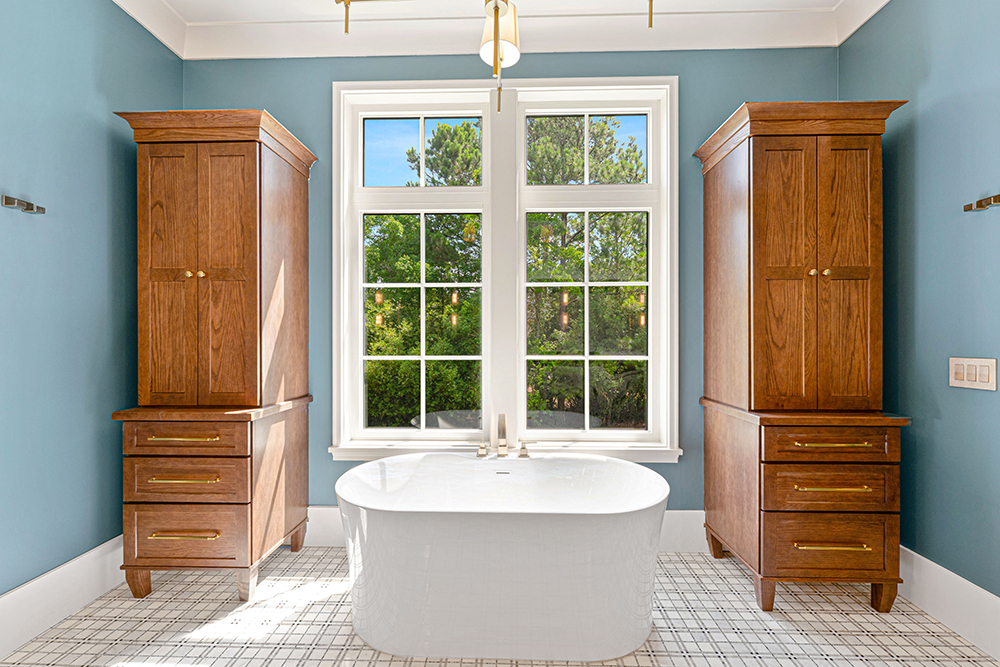
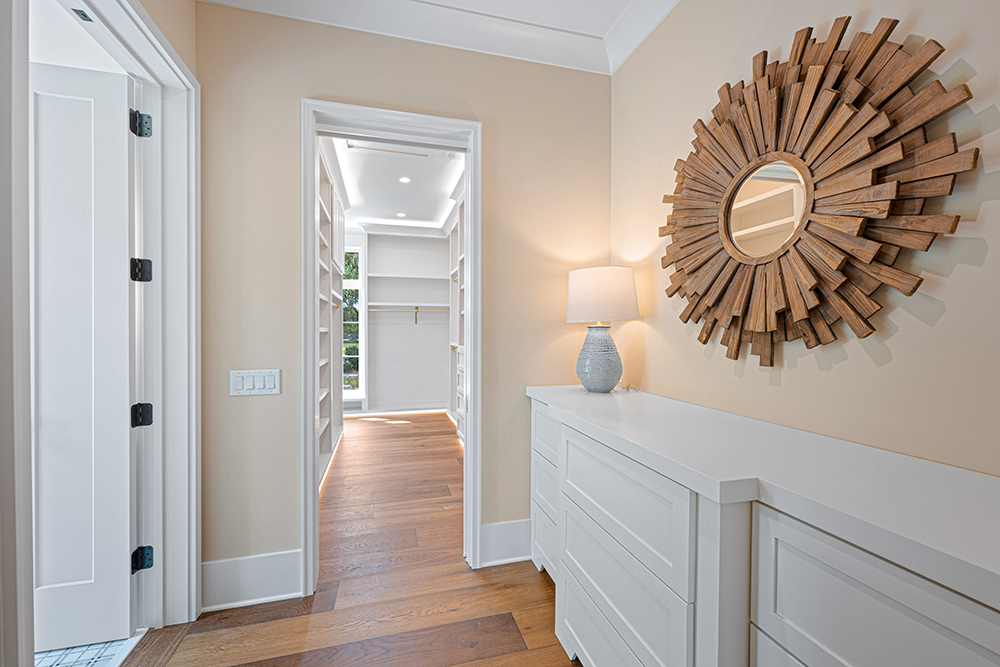
- Smart storage solutions that keep everyday necessities organized and accessible.
- Flexible rooms that can serve as a home office today, a guest retreat tomorrow, or a hobby space down the road.
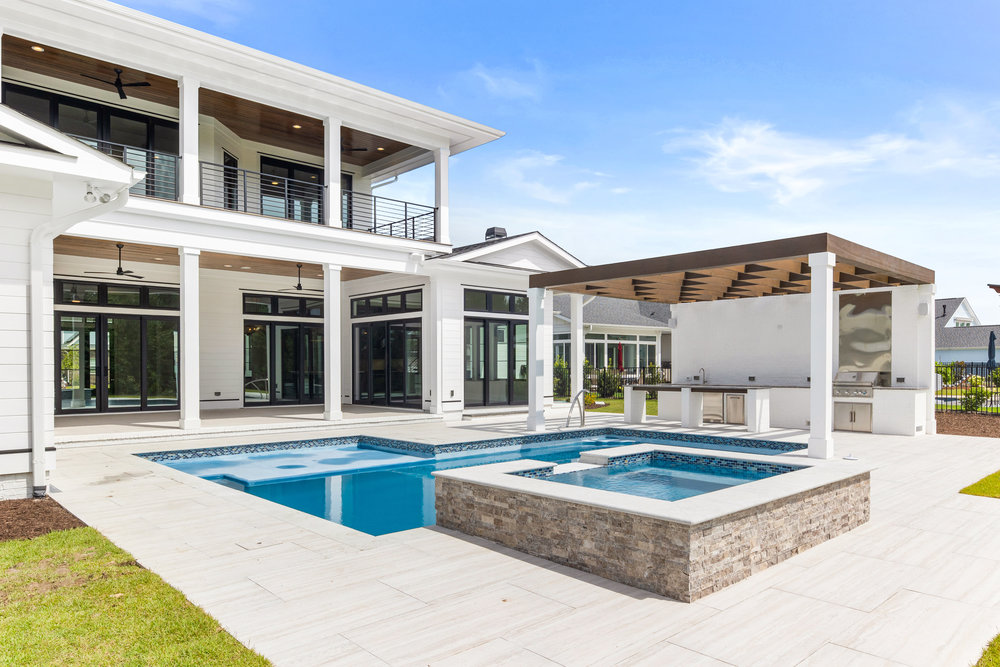
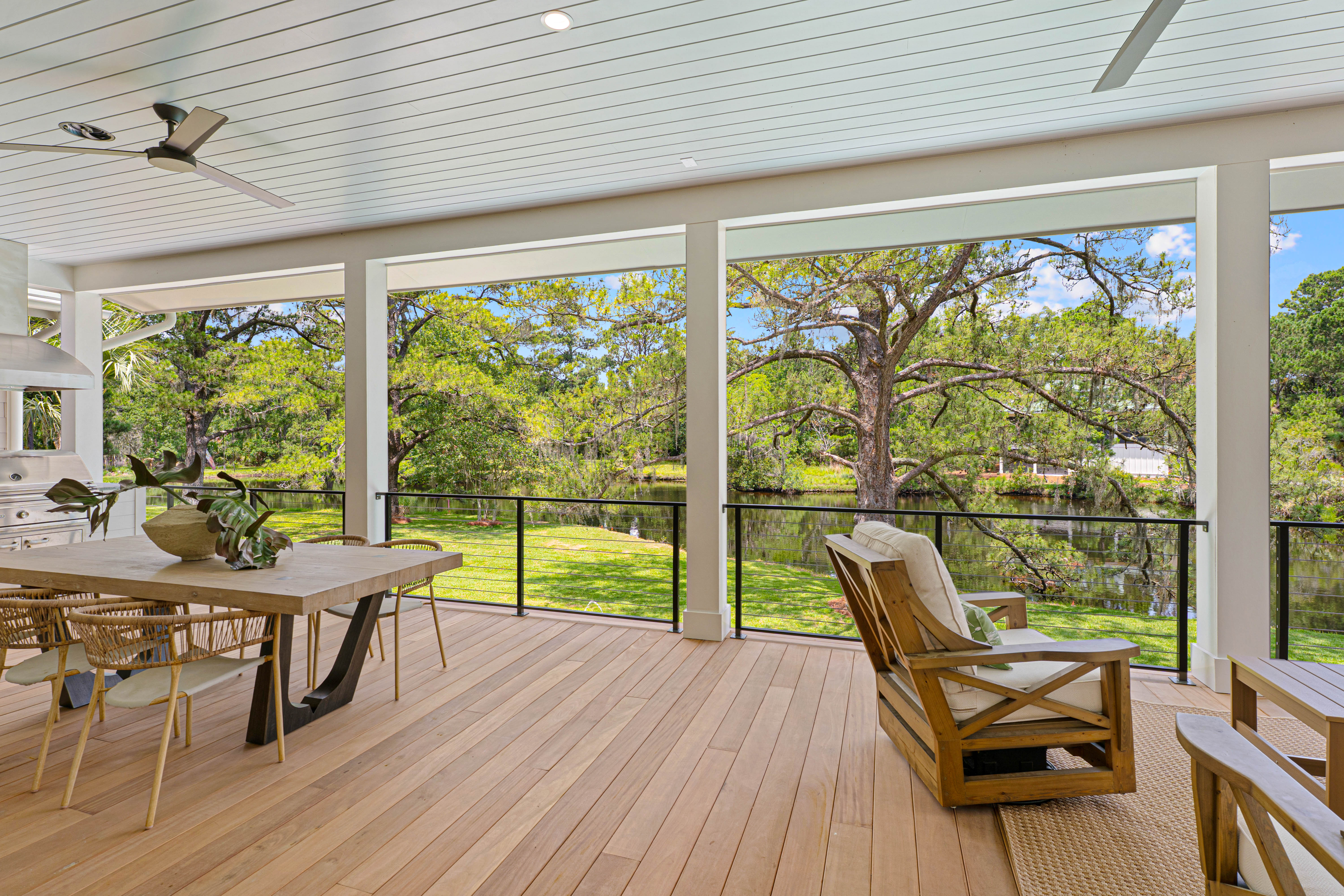
- Indoor-outdoor connections that extend daily living beyond the home’s interior walls.
- Convenient main-level living that makes a home comfortable today and practical for the future.
These details may not jump off a real estate listing, but they can make an enormous difference in how much homeowners enjoy their homes.
Spaciousness Is About More Than Size
Have you ever walked into a home and been surprised to learn its square footage? Perhaps it felt considerably larger than expected, with rooms that flowed naturally into one another and windows that brought the outdoors into view.
That’s no accident.
Ceiling heights, natural light, sightlines, and the relationship between rooms all influence how spacious a home feels. A well-placed window can make a living room feel more expansive. An open kitchen can become part of a larger gathering space rather than a separate room. Thoughtful furniture placement and clear pathways can make even modestly sized rooms feel comfortable and inviting.
Conversely, a larger home with awkward transitions, unnecessary hallways, or poorly proportioned rooms may not feel nearly as generous as its square footage suggests.
This is where thoughtful architectural design makes a difference. The goal isn’t simply to fit more rooms into a floor plan. It’s to create spaces that work together, allowing homeowners to enjoy every part of their home.
Having Extra Space Isn’t the Same as Wasting Space
A home doesn’t need to use every room every day to make good use of its square footage.
Consider a homeowner who lives primarily on the first floor of a two-story home. The upstairs bedrooms may go unused for weeks or even months, but when family and friends visit, that additional space provides comfort and privacy for everyone.
That isn’t necessarily wasted space. It’s flexibility.
The same applies to a bonus room that occasionally accommodates guests, a home office that doubles as a reading retreat, or a dining area that comfortably handles everyday meals but can expand for special occasions.
The distinction is whether those additional spaces serve a meaningful purpose.
For some homeowners, that may mean a larger home with dedicated rooms for hobbies, entertaining, or multigenerational living. For others, a more compact floor plan with flexible spaces may provide everything they need.
Neither approach is inherently better. What matters is how well the home supports the people living in it.
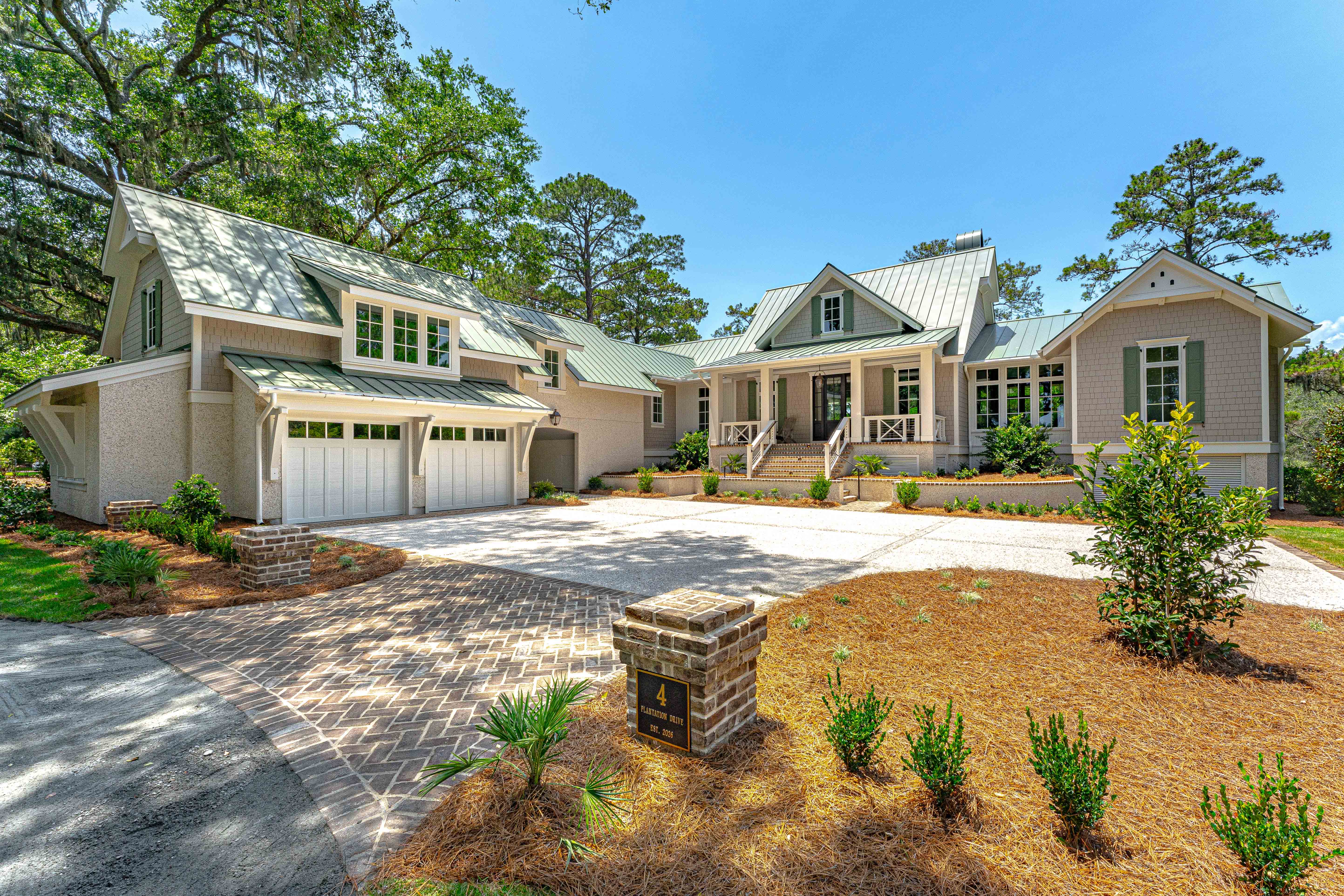
Four Hagood Homes Floor Plans That Make Every Square Foot Count
Thoughtful design is evident throughout the Hagood Homes portfolio. These four popular floor plans demonstrate how different layouts can deliver exceptional livability without requiring an oversized home.
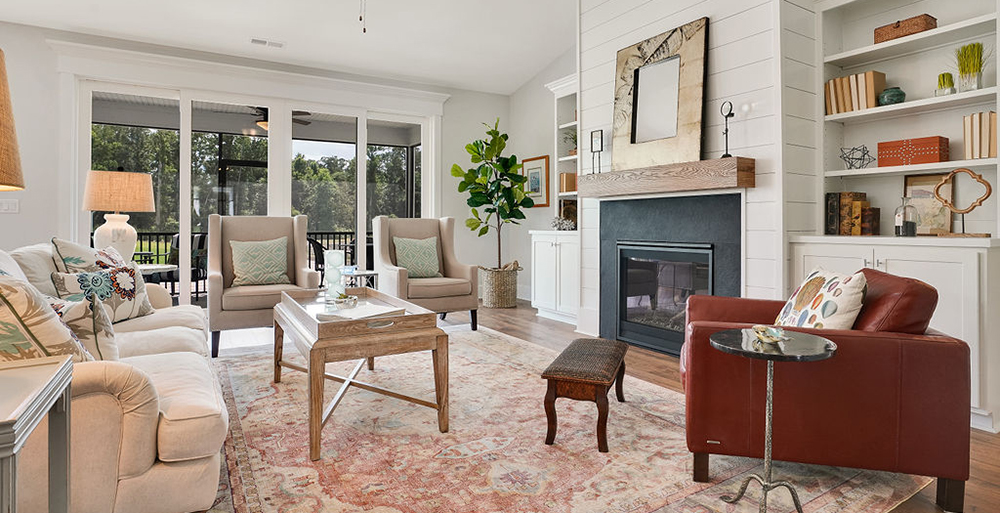
Fort Fisher Cove: Making the Most of 2,239 Square Feet
With four bedrooms, three bathrooms, and an open-concept design, the Fort Fisher Cove delivers impressive functionality within a manageable footprint. Its connected living spaces make it easy to entertain, spend time together, and enjoy a home where space is used with purpose.
Explore the Fort Fisher Cove Floor Plan
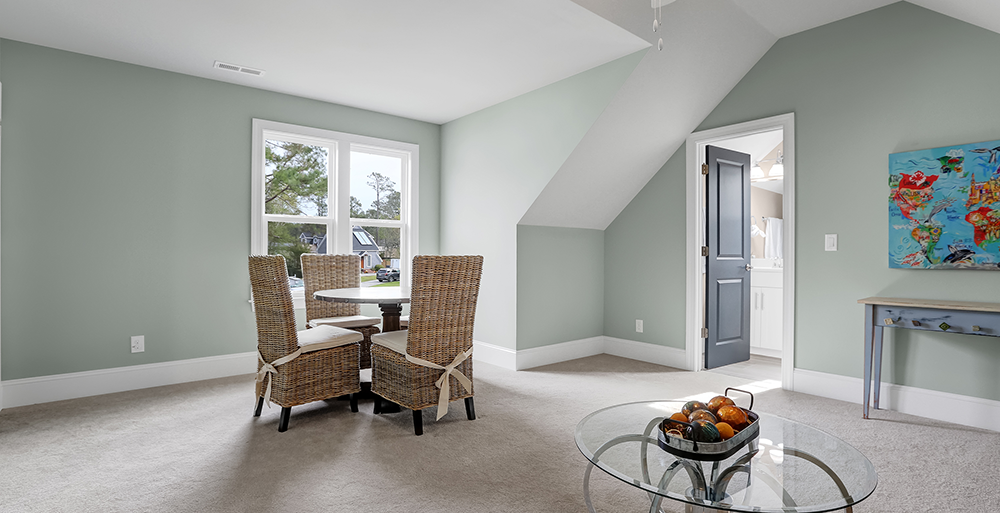
Heron Cove: Flexibility Without Excess
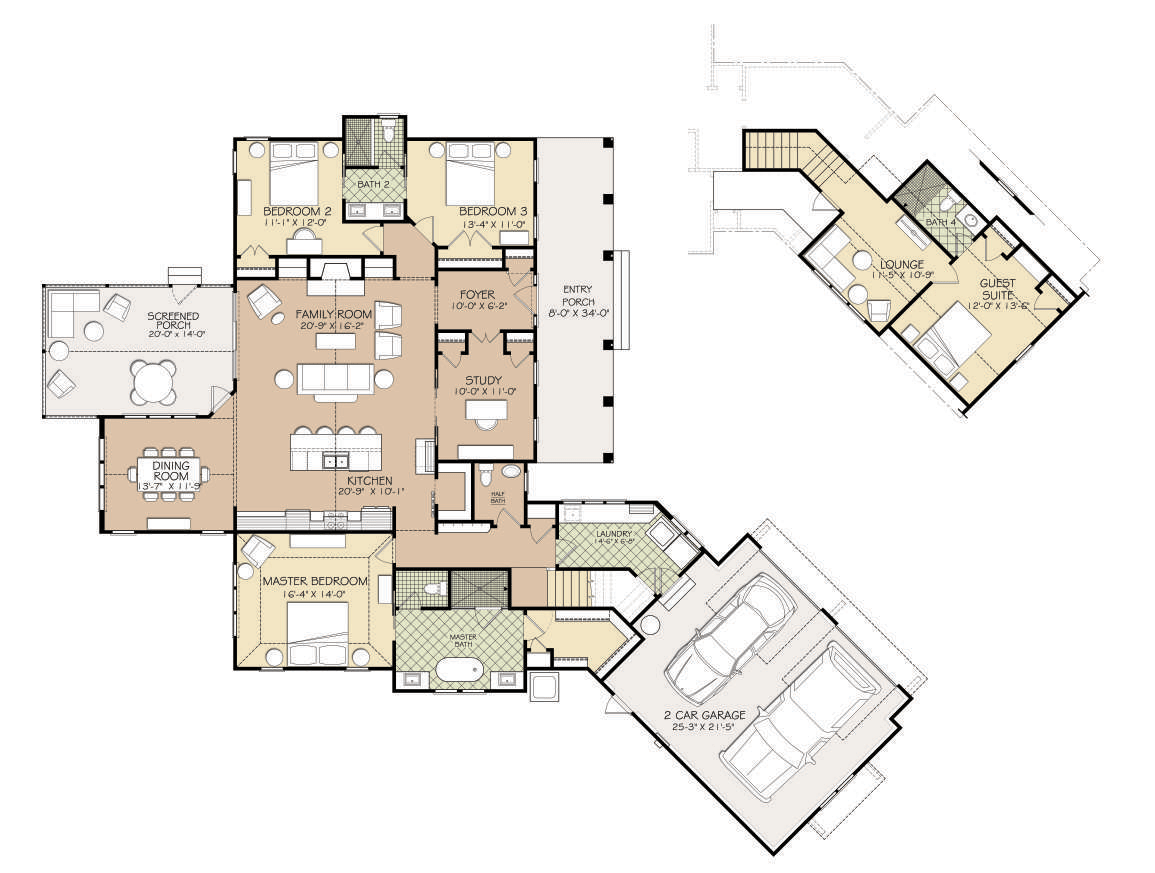
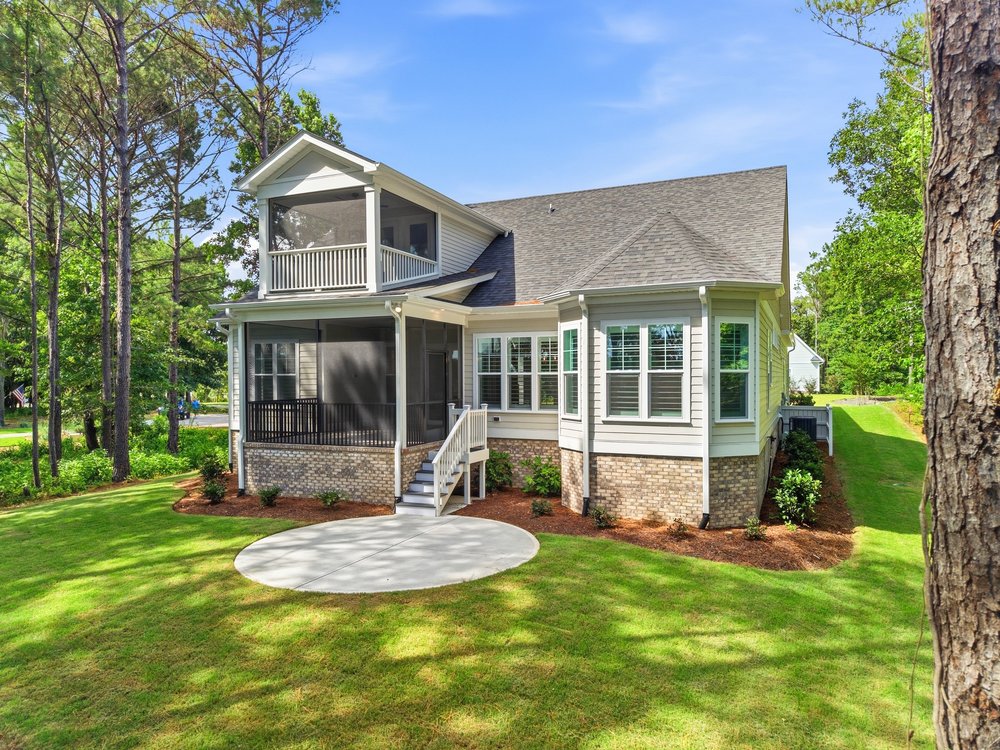
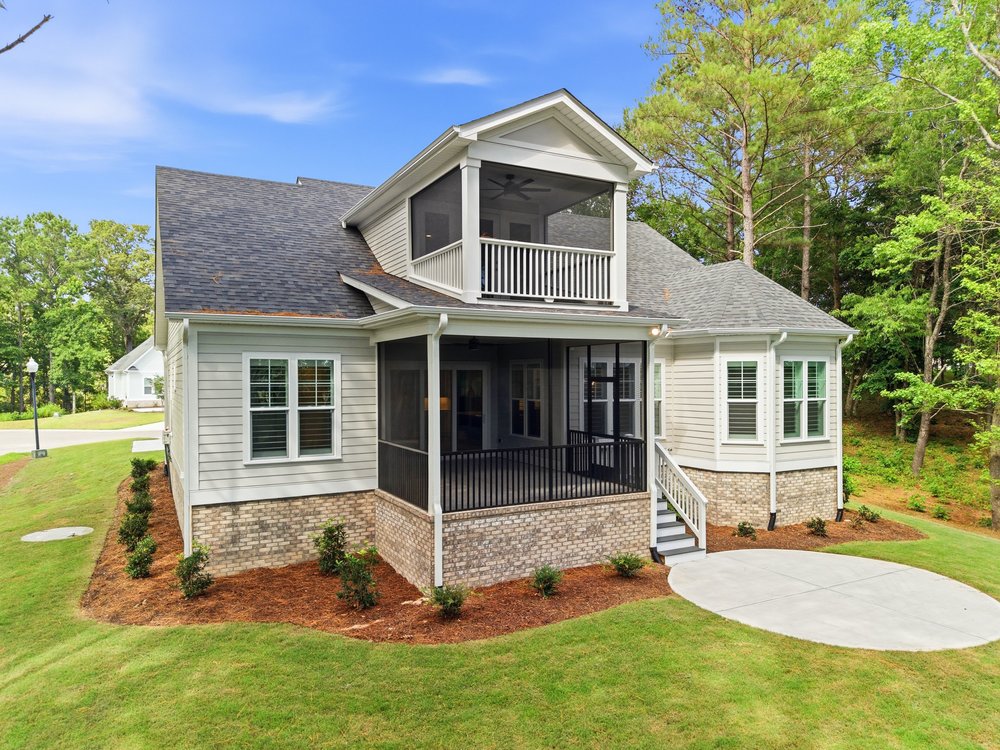
At 2,217 square feet, the Heron Cove offers four bedrooms, 3.5 bathrooms, and the versatility to accommodate different lifestyles. A second-floor lounge and screened porch provide additional places to relax, entertain, or enjoy a little privacy without substantially increasing the home’s size.
Explore the Heron Cove Floor Plan
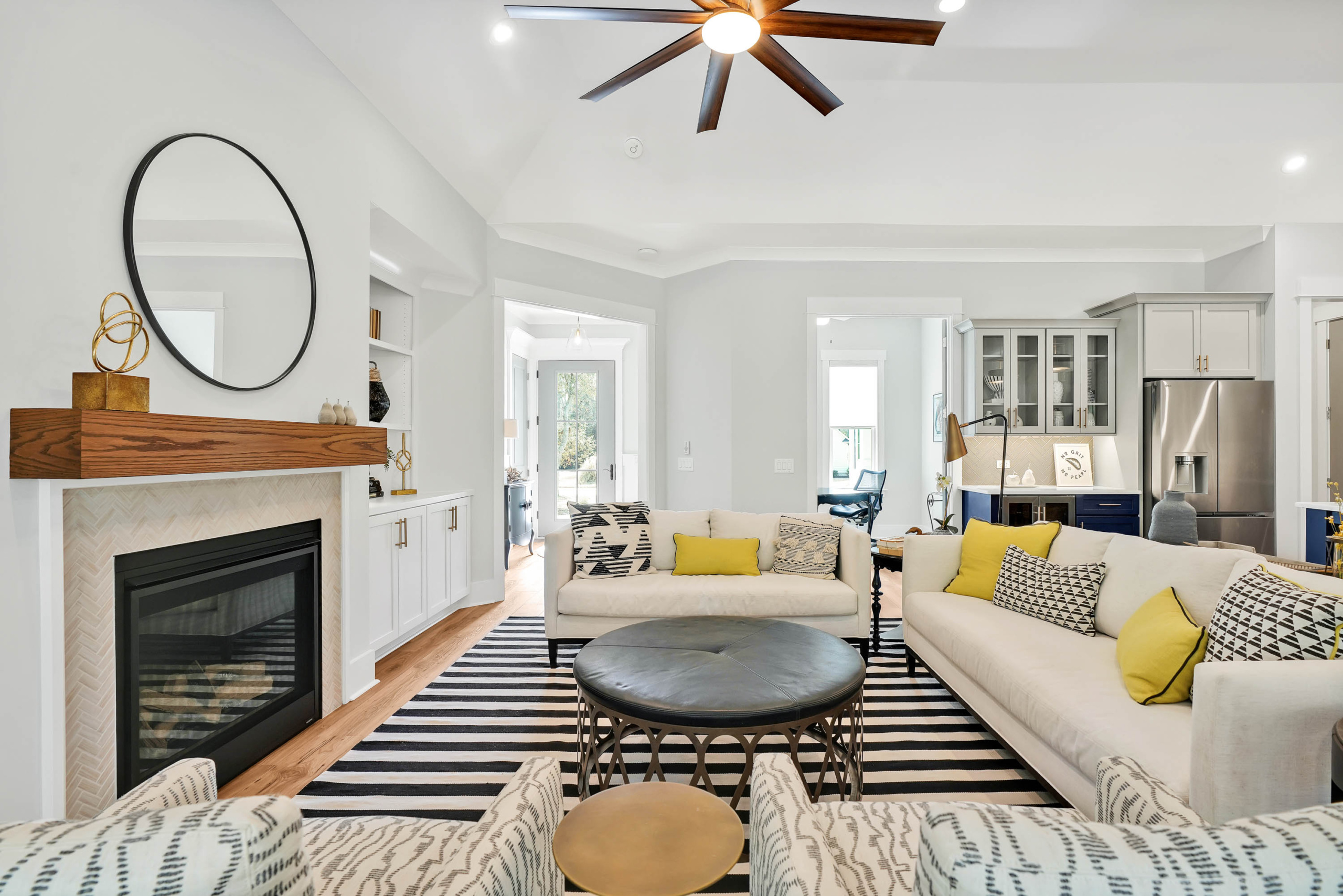
Cape Lookout: Designed Around Everyday Life
The 2,522-square-foot Cape Lookout demonstrates how thoughtful details can make a home feel more comfortable and organized. An open living area, dedicated office, convenient drop zone, and generous natural light create a home that balances everyday practicality with the relaxed atmosphere of coastal living.
Explore the Cape Lookout Floor Plan
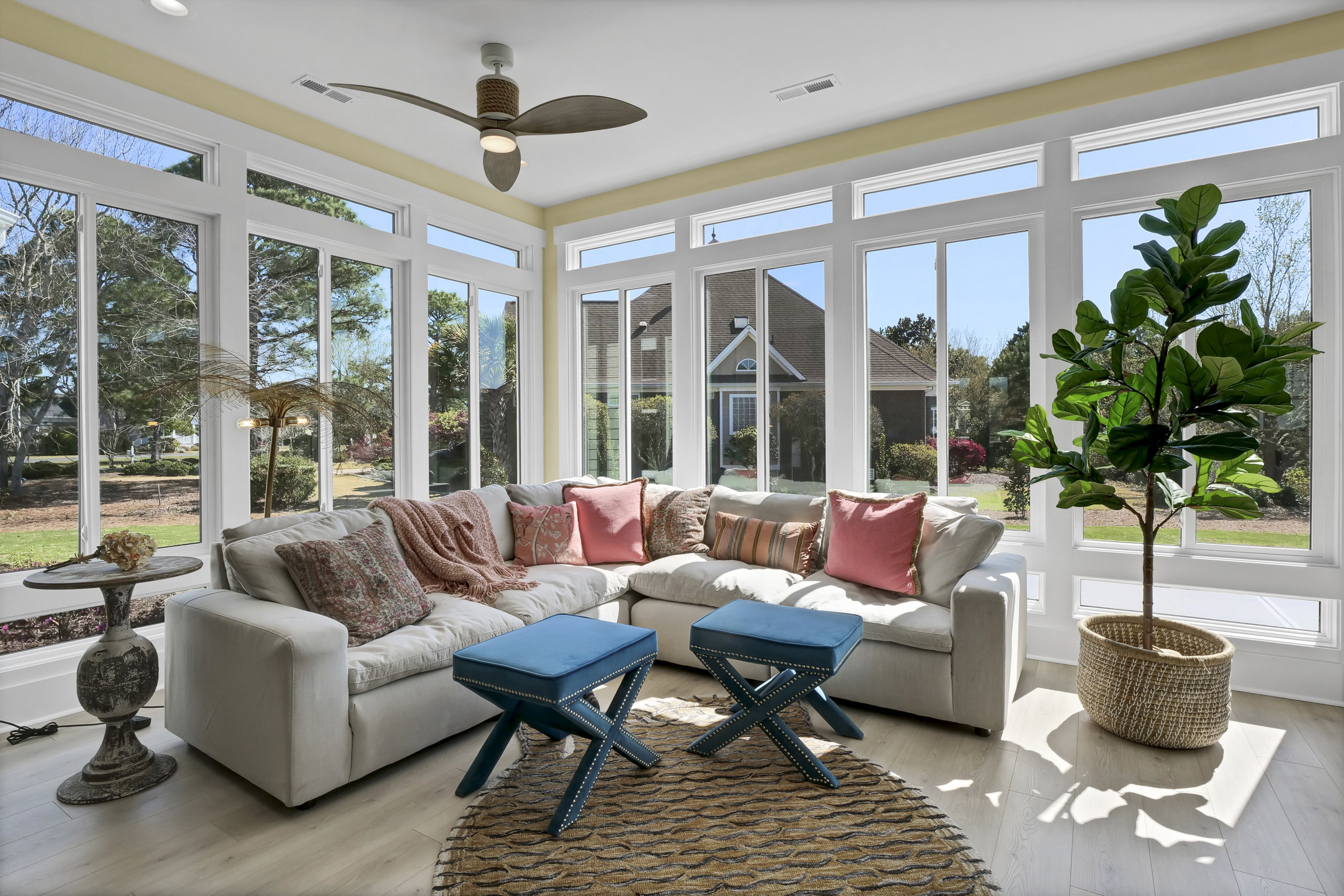
Harbour Side: Space Where It Matters
With three main-level bedrooms and a flexible upstairs bonus room, the 2,546-square-foot Harbour Side offers room to adapt without sacrificing convenience. Its open living areas, soaring foyer, and inviting screened porch create a sense of spaciousness that extends well beyond the home’s dimensions.
Explore the Harbour Side Floor Plan
What these homes share isn’t their square footage or even their number of bedrooms. It’s the attention given to how people actually use their homes. Each offers a different combination of gathering spaces, private retreats, and practical features, demonstrating that there’s more than one way to create a home that lives beautifully.
The Space You Don’t Count Matters, Too
One of the most overlooked aspects of livability is that some of a home’s most enjoyable spaces aren’t included in its heated square footage.
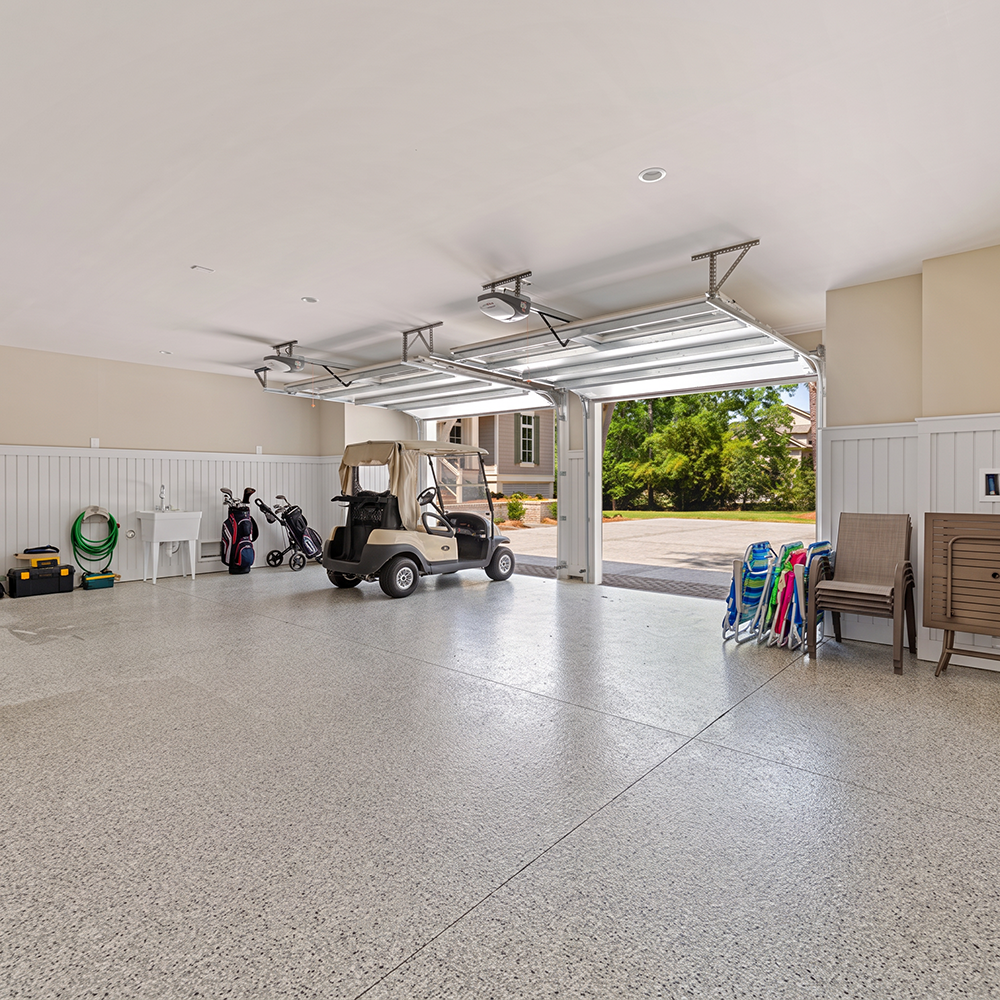
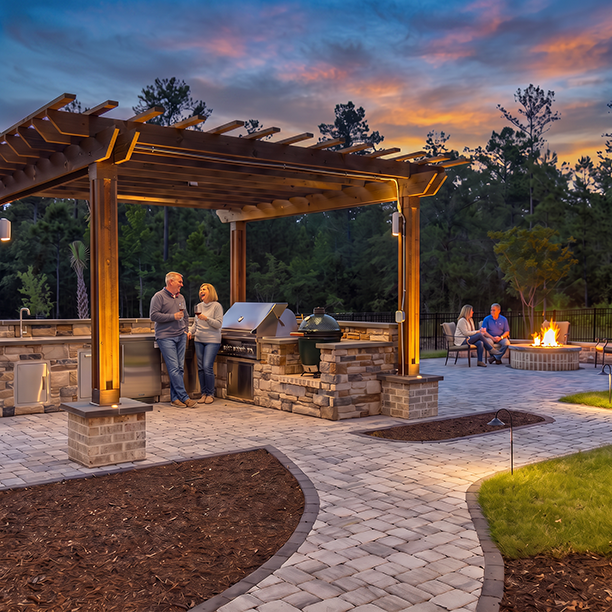
A screened porch can become a favorite place for morning coffee. A covered outdoor dining area can make entertaining easier. A generously sized garage can provide valuable storage without sacrificing a bedroom or living area.
In coastal North Carolina, where the climate encourages spending time outdoors for much of the year, these spaces can play an especially important role in daily life.
A thoughtfully designed outdoor living area can make a home feel considerably larger, even though it doesn’t add a single square foot to the heated interior.
And that raises an interesting question: Would you rather have an additional room you rarely use or an inviting outdoor space where you spend time nearly every day?
There’s no universally correct answer. But it’s worth considering before deciding that more interior square footage is automatically the better choice.
Why More Space Can Mean More Compromise
A larger home can be exactly the right choice for a growing family, a multigenerational household, or someone who frequently entertains overnight guests. But additional square footage also comes with considerations.
More space generally means more to furnish, clean, maintain, heat, and cool. Depending on the home’s design and budget, those additional square feet may also come at the expense of other priorities, such as upgraded finishes, expanded outdoor living areas, or a more desirable homesite.
There’s also the question of how long a home will continue to meet your needs.
The house that worked beautifully when children were young may feel unnecessarily large once they’ve moved away. A playroom may eventually become an office. A formal dining room may no longer reflect how a family prefers to entertain.
Choosing a floor plan that can accommodate those changes may be more valuable than simply choosing the largest home your budget allows.
Before You Choose a Floor Plan, Ask the Right Questions
Instead of beginning your home search with a minimum square footage requirement, consider starting with your daily routines.
Where do you spend most of your time? Do you prefer an open gathering space or separate rooms that offer privacy? How often do you entertain? Do you need a dedicated office, or would a flexible room serve you just as well?
How frequently do overnight guests visit? Is main-level living important now, or might it become important in the future? Would you enjoy a larger interior living area, or would you rather have more space outdoors?
And perhaps most importantly, are you choosing a home for the life you actually live or for a version of life you imagine you might someday have?
These questions can reveal far more about the right floor plan than a square footage requirement ever could.
Live Better, Not Necessarily Bigger
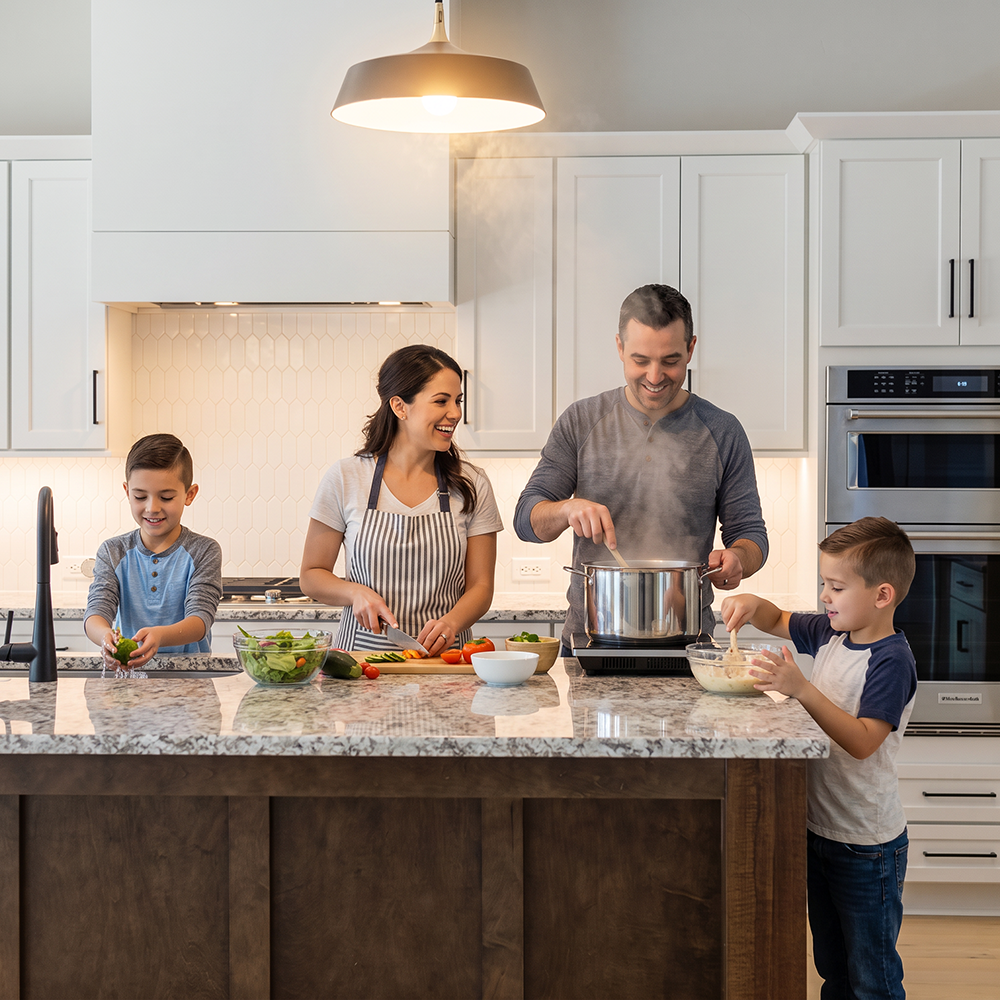
The best home isn’t always the one with the most square footage. It’s the one where the kitchen feels welcoming, the rooms flow naturally, storage is where you need it, and the spaces you use most receive the greatest attention.
At Hagood Homes, thoughtful design is central to creating homes that balance comfort, functionality, and coastal Carolina style. From carefully considered floor plans to architectural details that maximize natural light and livability, the goal is to make every square foot contribute to a better living experience.
Because the true measure of a home isn’t how many square feet it contains.
It’s how well those square feet support the life you want to live.
Explore the Hagood Homes floor plan collection and discover a home designed around the way you want to live.